
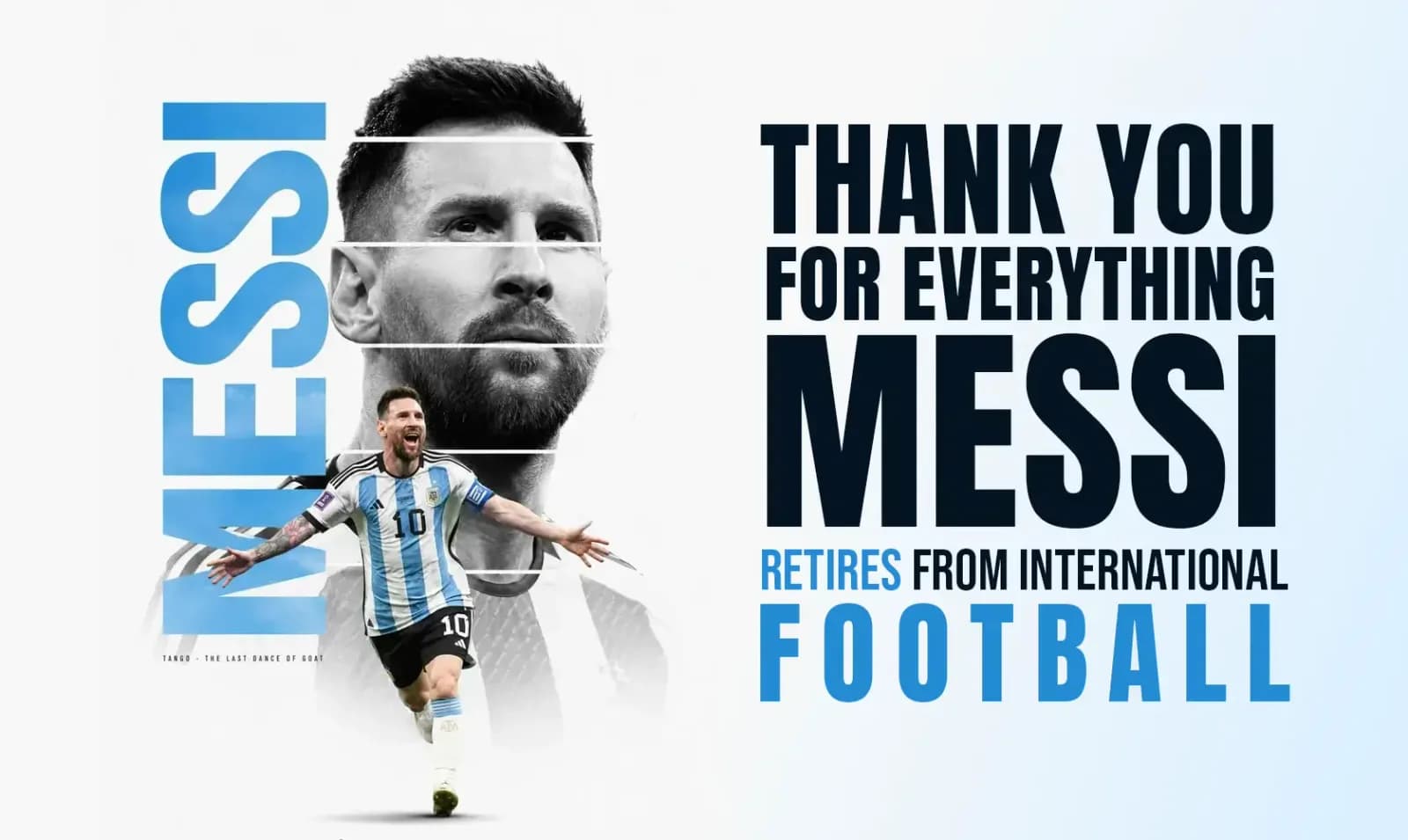
Lionel Messi: From Rosario’s Smallest Dream to Football’s Greatest Goodbye
Harry
Modified 19 October 2026 at 05:27 PM IST -7 min read
In this article
Lionel Messi ended his 21-year Argentina career at 39 after the 2026 World Cup final, closing an extraordinary international journey that carried him from a shy boy in Rosario to a World Cup champion, two-time Copa América winner, and one of football’s defining figures.
The boy from Rosario
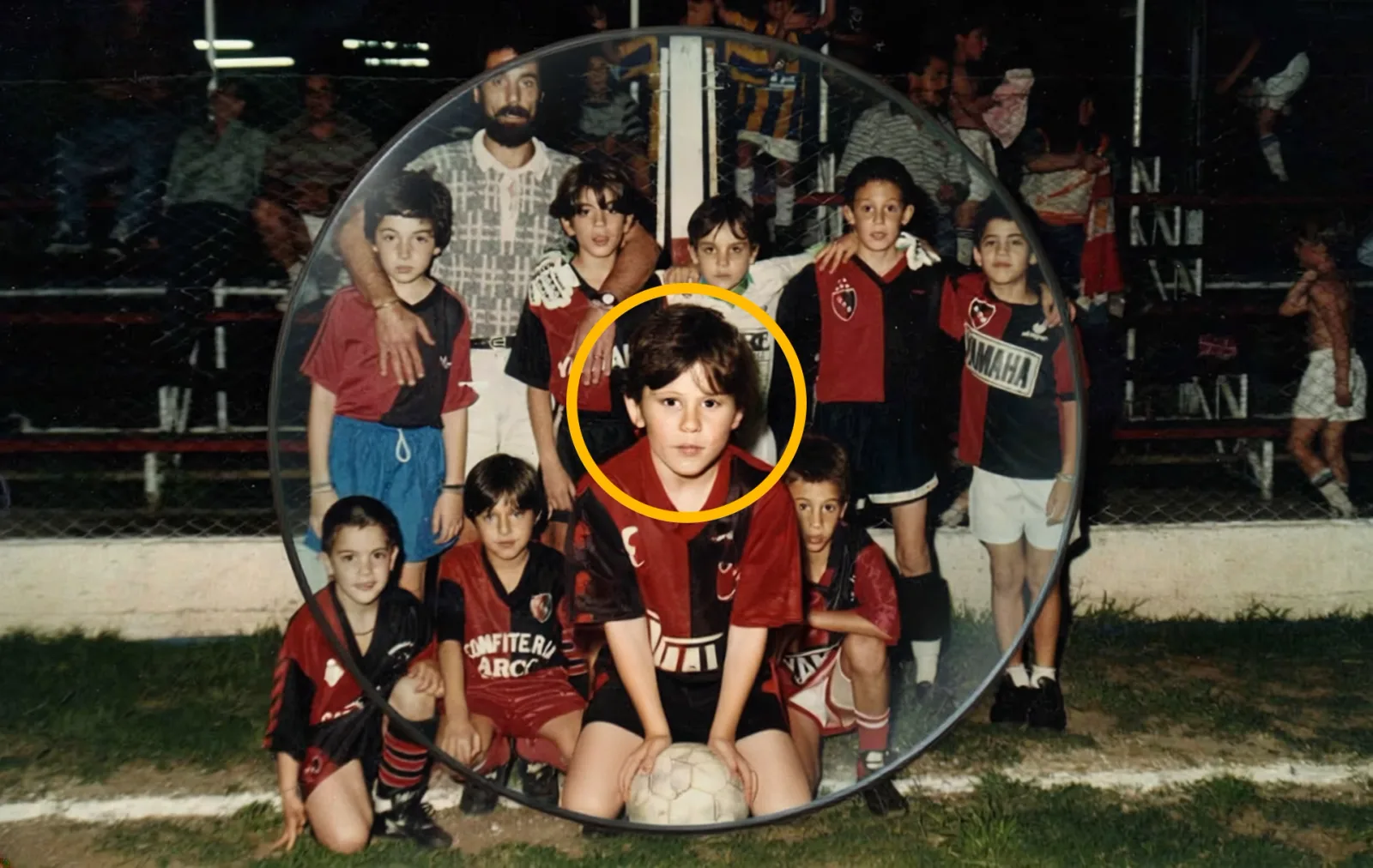
Long before the trophies, the Ballon d’Ors and the stadiums chanting his name, Messi was simply a football-mad child in Rosario, Argentina.
Born on June 24, 1987, Messi began playing remarkably young. He joined Newell's Old Boys' youth system as a boy and quickly became known for his extraordinary close control and ability to dribble through opponents despite his small frame. FC Barcelona records that he joined Newell's in 1995 and remained there until moving to Spain in 2000.
His size, however, became a serious concern. Messi was diagnosed with a growth-hormone deficiency and required expensive treatment. At 13, Barcelona agreed to take him to Spain and help cover the treatment, giving the teenager a pathway that would eventually change football history.
The move meant leaving Rosario and much of his childhood behind. At La Masia, Barcelona's famous academy, Messi climbed rapidly through the age groups. His talent was obvious: acceleration over a few meters, a left foot capable of extraordinary precision, and a seemingly instinctive understanding of where the next pass should go.
At 16, he made his first-team debut in a friendly against Porto in 2003. His official debut followed the next season against Espanyol.
The child who had once needed help to keep growing was beginning to outgrow everyone around him on a football pitch.
A private life behind the superstar
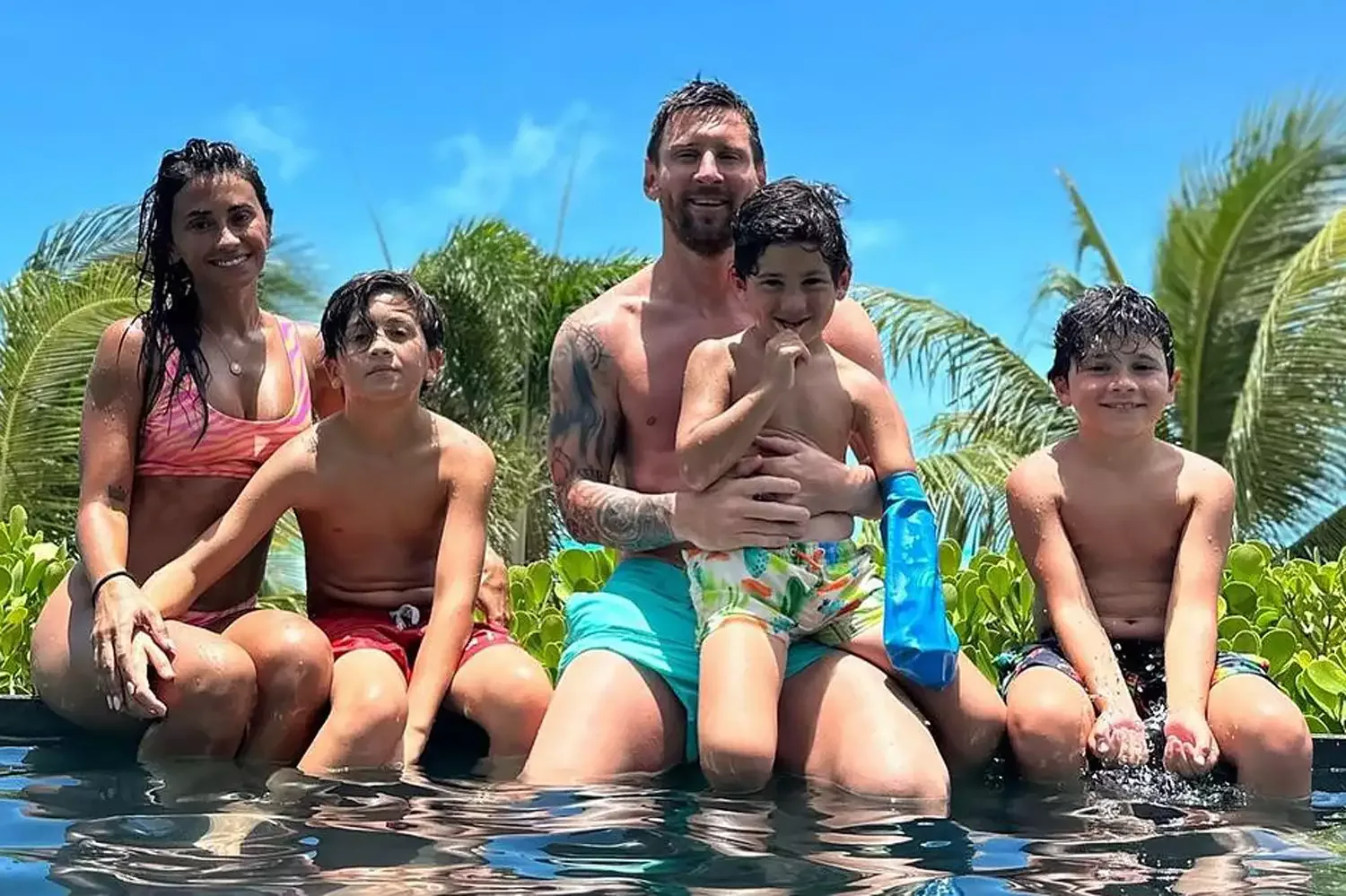
Lionel Messi sit poolside with their three sons and wife Antonella Roccuzzo in a photo shared on Instagram on July 11, 2023.
Image credit: Instagram/leomessi
Away from football, Messi has generally kept his family life considerably quieter than many global celebrities.
His relationship with Antonela Roccuzzo stretches back to childhood in Rosario. The couple married in their hometown in June 2017 and have three sons: Thiago, Mateo and Ciro.
Family has remained central to Messi's public identity. Even at the height of his fame, he has often presented himself less as a celebrity than as a husband, father and footballer.
That contrast became one of the defining features of his image: the world's most recognizable footballer often appeared remarkably uncomfortable with the spotlight surrounding him.
Argentina: the debut that lasted less than a minute
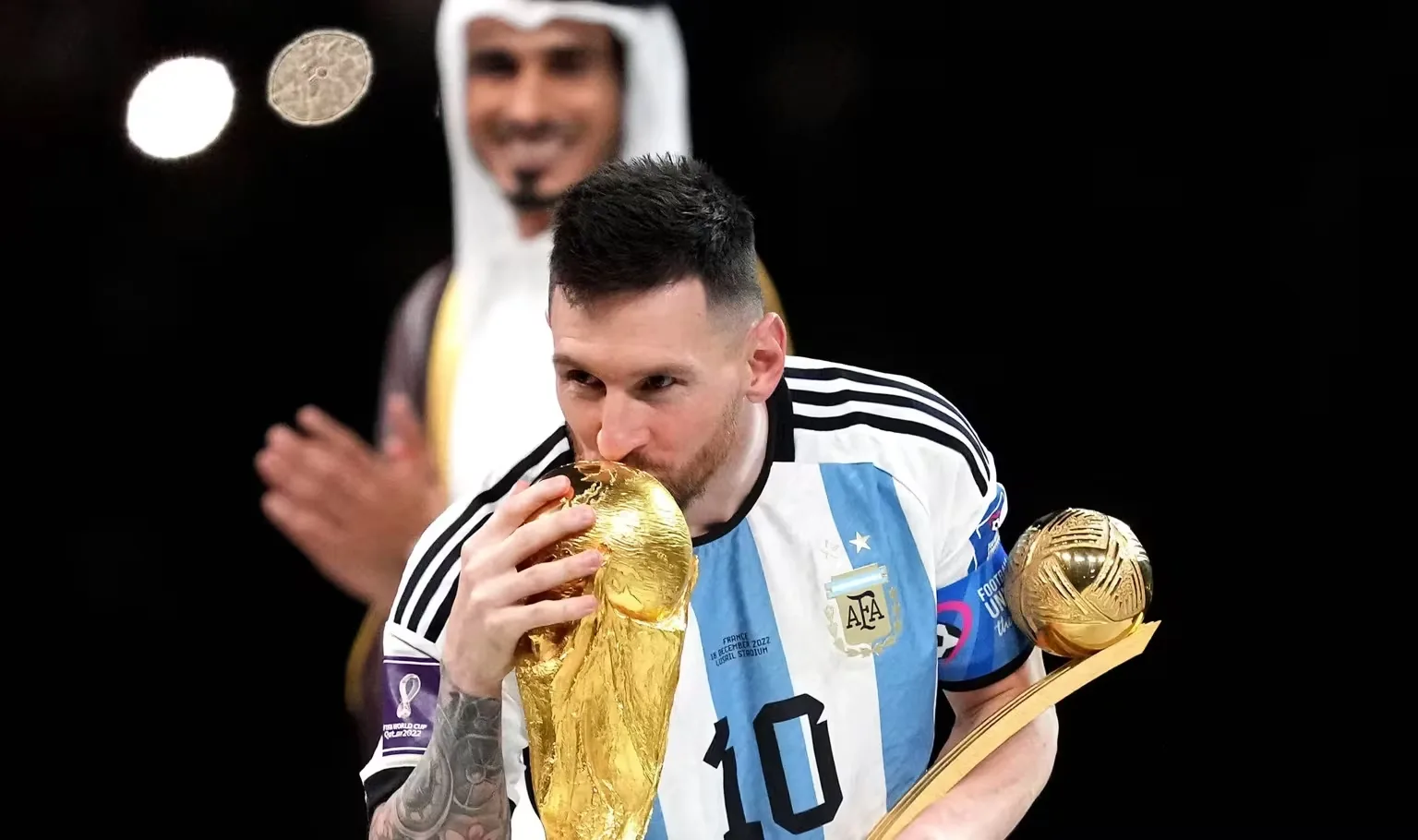
Credit: Fifa
Messi's senior Argentina debut came on August 17, 2005, against Hungary.
It could hardly have gone worse.
He entered as a substitute in the second half. Within seconds, he was involved in a tussle with Hungary defender Vilmos Vanczak. Messi swung an arm while trying to escape the challenge and was shown a red card after only 47 seconds on the pitch.
It was an extraordinary beginning for a player who would eventually become Argentina's captain and record appearance-maker.
But his international reputation would not be defined by that night.
The golden generation—and the painful losses
Messi's Argentina career initially became a story of almost.
He won the 2005 FIFA World Youth Championship, scoring six goals and collecting both the Golden Boot and Golden Ball. He then helped Argentina win Olympic gold at Beijing 2008.
But senior international football proved far more unforgiving.
The defining heartbreak arrived at the 2014 World Cup.
Argentina reached the final against Germany at the Maracanã. Messi had carried his team through a difficult tournament and won the World Cup Golden Ball as the tournament's outstanding player. But Mario Götze's extra-time goal gave Germany a 1–0 victory.
Then came Chile.
Argentina lost the 2015 Copa América final to Chile on penalties. A year later, at the Copa América Centenario, the same fate struck again.
Messi missed his penalty in the shootout, and Chile lifted the trophy.
The defeat was devastating enough for the 29-year-old Messi to announce his retirement from international football.
For a player who had won virtually everything with Barcelona, Argentina had become the one place where success seemed to keep escaping him.
The comeback
Messi changed his mind.
Less than a month after announcing his international retirement, he returned, determined to keep trying with Argentina.
That decision changed the final chapter of his career.
Credit: Fifa
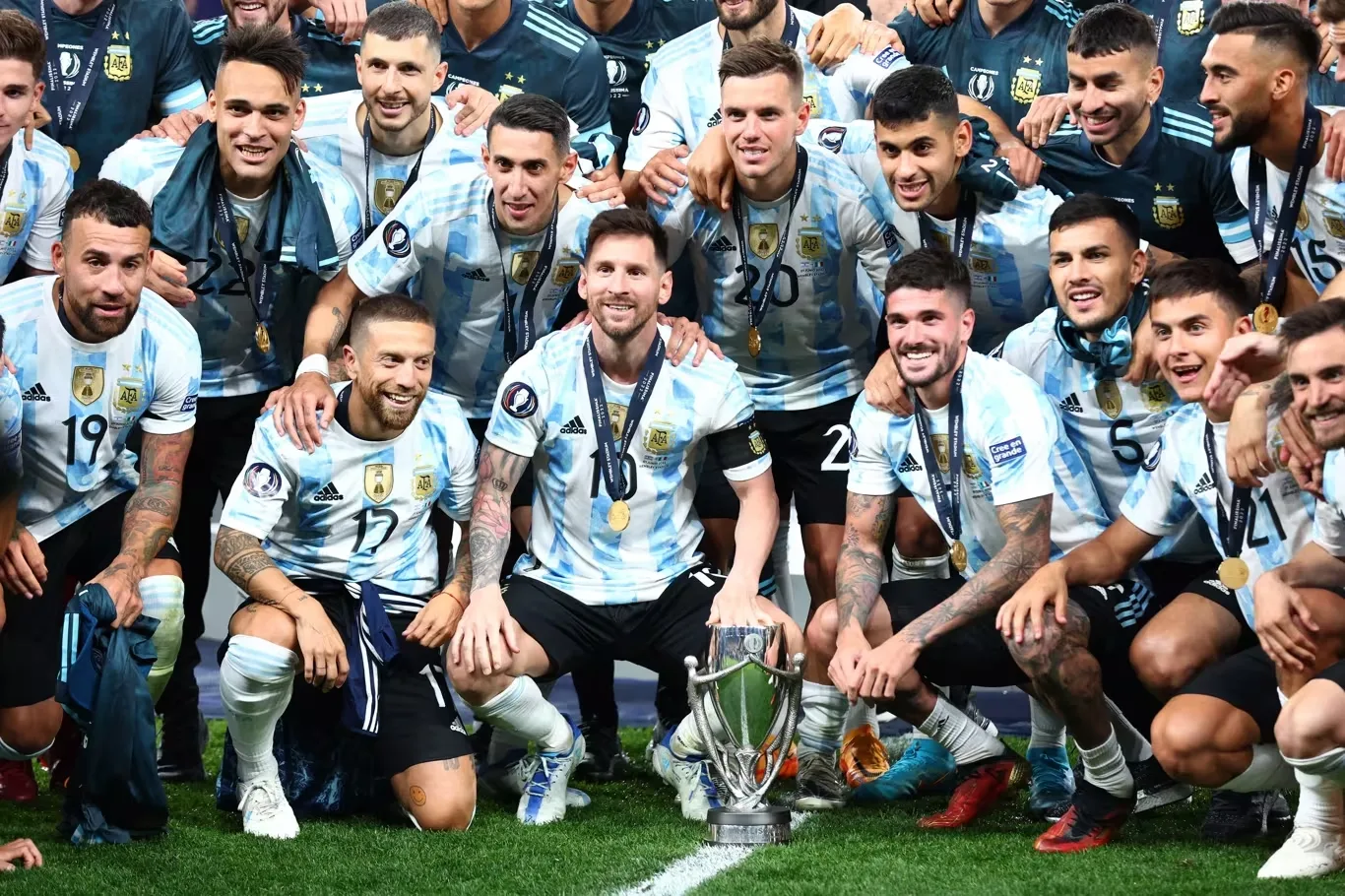
Argentina eventually won the 2021 Copa América, beating Brazil 1–0 at the Maracanã. It was Messi's first major senior international trophy with Argentina.
Then came the 2022 World Cup.
Qatar 2022: the missing crown
Messi arrived in Qatar carrying perhaps the last great unanswered question of his career: could he finally win the World Cup?
Argentina's tournament began disastrously with a shock defeat to Saudi Arabia.
But Messi and Argentina recovered.
They defeated Mexico, Poland, Australia and the Netherlands before beating Croatia in the semifinal. In the final, they faced France in one of the most extraordinary World Cup matches ever played.
Argentina led 2–0.
France came back.
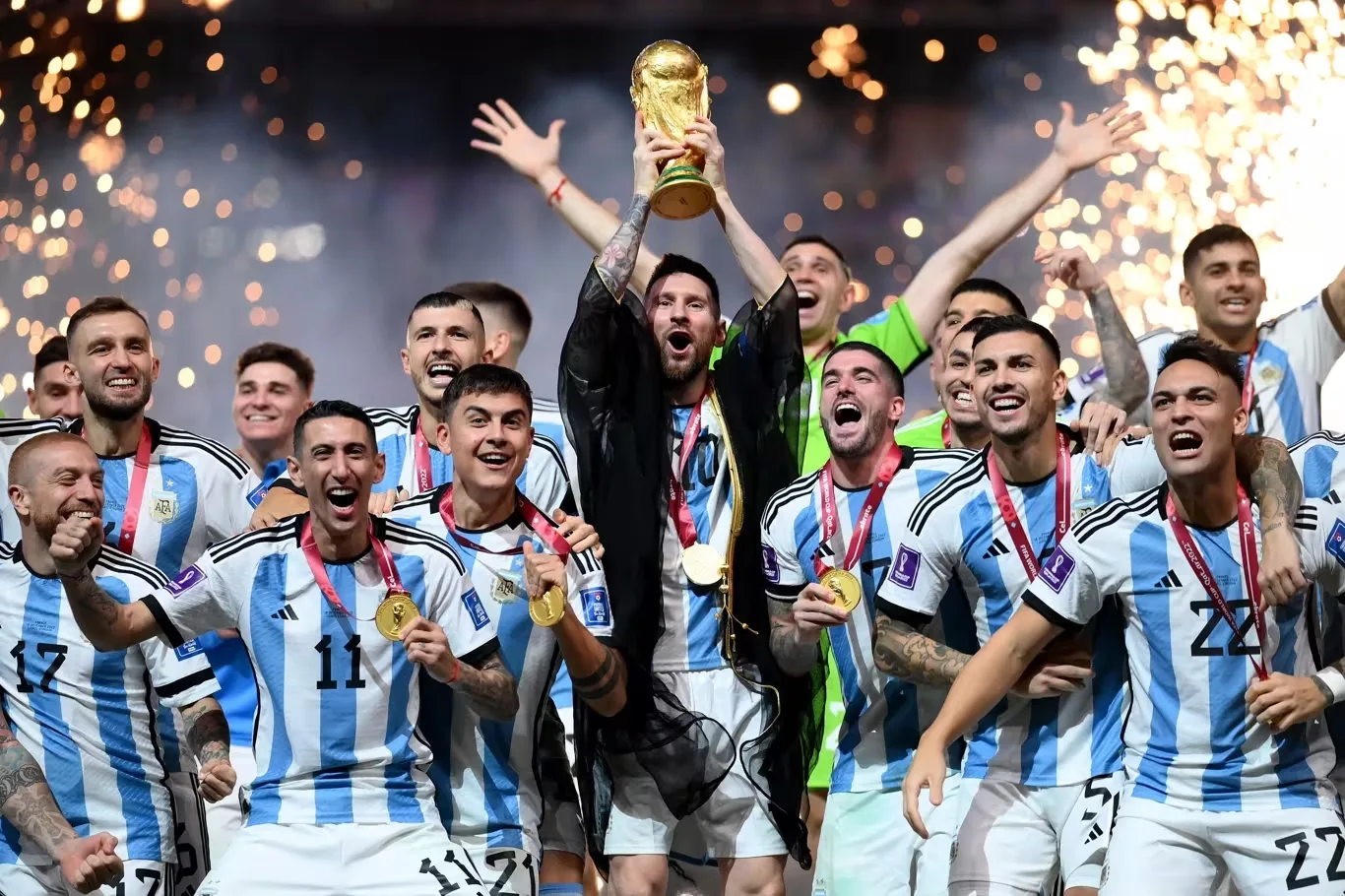
The match finished 3–3 after extra time, with Messi scoring twice. Argentina eventually won the penalty shootout, and Messi finally lifted the World Cup.
The debate that had followed him for years—Messi or Maradona? Could Messi truly become an Argentine legend without a World Cup? —was suddenly transformed.
The trophy was finally his.
And he wasn't finished.
Argentina won the 2024 Copa América, defeating Colombia 1–0 after extra time to retain the title. Messi's own final was emotional: he was forced off with an ankle injury and watched from the bench in tears before his teammates secured the championship.
By then, the player once accused of failing Argentina had become the centerpiece of its most successful modern era.
From 2021 onward, Argentina won:
2021 Copa América
2022 Finalism
2022 FIFA World Cup
2024 Copa América
And Messi was at the heart of each era-defining campaign.
The controversy
Messi's career was not without controversy.
The biggest non-football controversy came in Spain, where Messi and his father, Jorge, were prosecuted over unpaid taxes connected to image rights. In 2016, both were found guilty and received 21-month prison sentences, though Messi was not expected to serve prison time because the sentence was below two years and he had no criminal record.
On the pitch, his greatest controversy was arguably the tension surrounding Argentina itself.
For years, critics argued that Messi was not the same player for Argentina that he was for Barcelona. Comparisons with Diego Maradona became unavoidable, while the repeated defeats in major finals intensified the criticism.
Even his 2016 retirement announcement became part of that story.
But ultimately, the criticism became part of what made his eventual triumph so powerful.
The final World Cup
Credit: Fifa
At 39, Messi entered the 2026 World Cup for what became his sixth World Cup tournament—a record.
And remarkably, he still had decisive moments.
Messi scored eight goals during the tournament and finished with 21 World Cup goals across his career, according to FIFA. He also became the first player to score in the group stage and every knockout round of a single World Cup, a feat achieved in Qatar and part of a remarkable collection of tournament records.
Argentina reached the final again.
Waiting at New York/New Jersey Stadium was Spain.
This time there would be no miracle.
Spain defeated Argentina 1–0 after extra time, with Ferran Torres scoring the decisive goal. Argentina managed no shots on target or off target for 115 minutes, while Messi was unable to produce another rescue act.
Messi nevertheless made history: he became only the second player to appear in three World Cup finals and the oldest outfield player ever to play in a World Cup final.
It was not the ending Argentina had imagined.
But it was the ending of an era.
The final goodbye
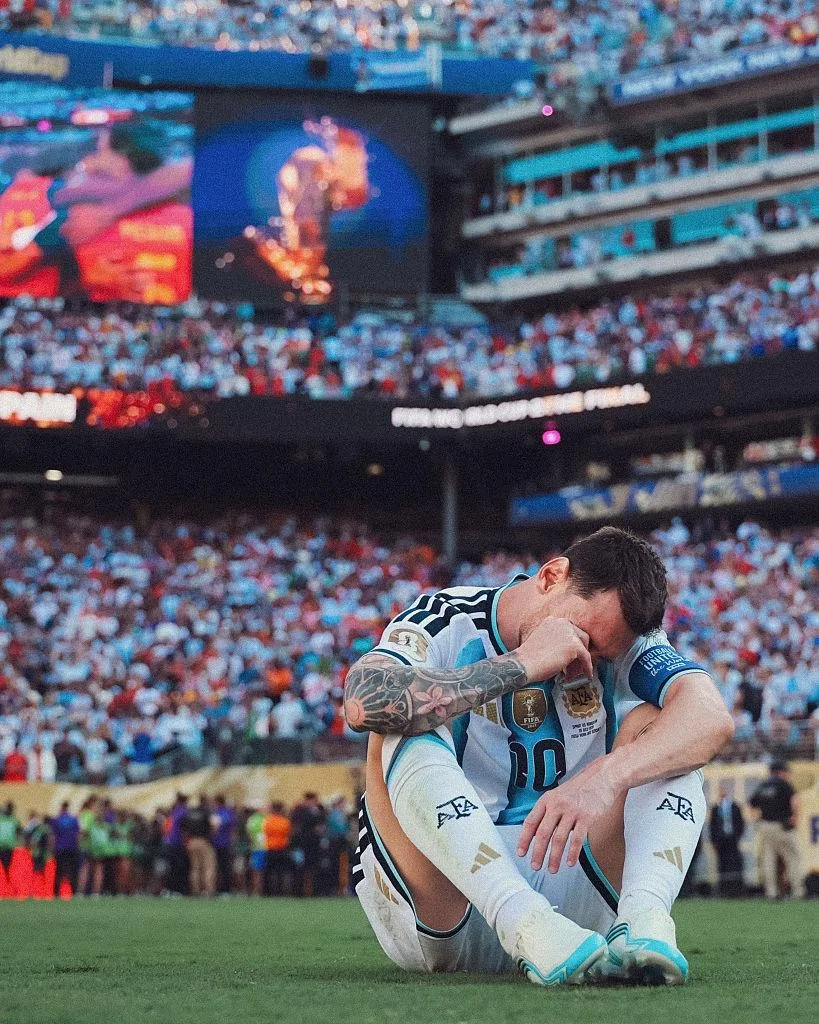
On August 31, 2026, Messi announced his retirement from international football.
He left Argentina after 207 appearances and 125 goals, having won two Copa América titles and the 2022 World Cup.
His final international match was therefore the 2026 World Cup final against Spain—a defeat, but hardly a defeat capable of defining his legacy.
And perhaps there was something fitting about the ending.
Messi's Argentina career had begun with a red card after 47 seconds.
It ended more than two decades later with him walking onto the world's biggest stage at 39, captaining his country in his third World Cup final.
Between those two moments came heartbreak, criticism, tears, retirement, redemption and eventually the trophies Argentina had waited decades to see.

Harry is a passionate football enthusiast and freelance sports writer who loves following the beautiful game and telling the stories behind it. From player performances and transfers to major tournaments, match analysis, emerging talents, and memorable moments, he enjoys exploring every side of football. As a freelance writer, Harry focuses on creating well-researched, engaging, and easy-to-read content for football fans around the world. His goal is to bring the latest football stories to readers while capturing the passion, drama, and excitement that make the sport so special.
View all articles by HarryShare this article