
Show captioni
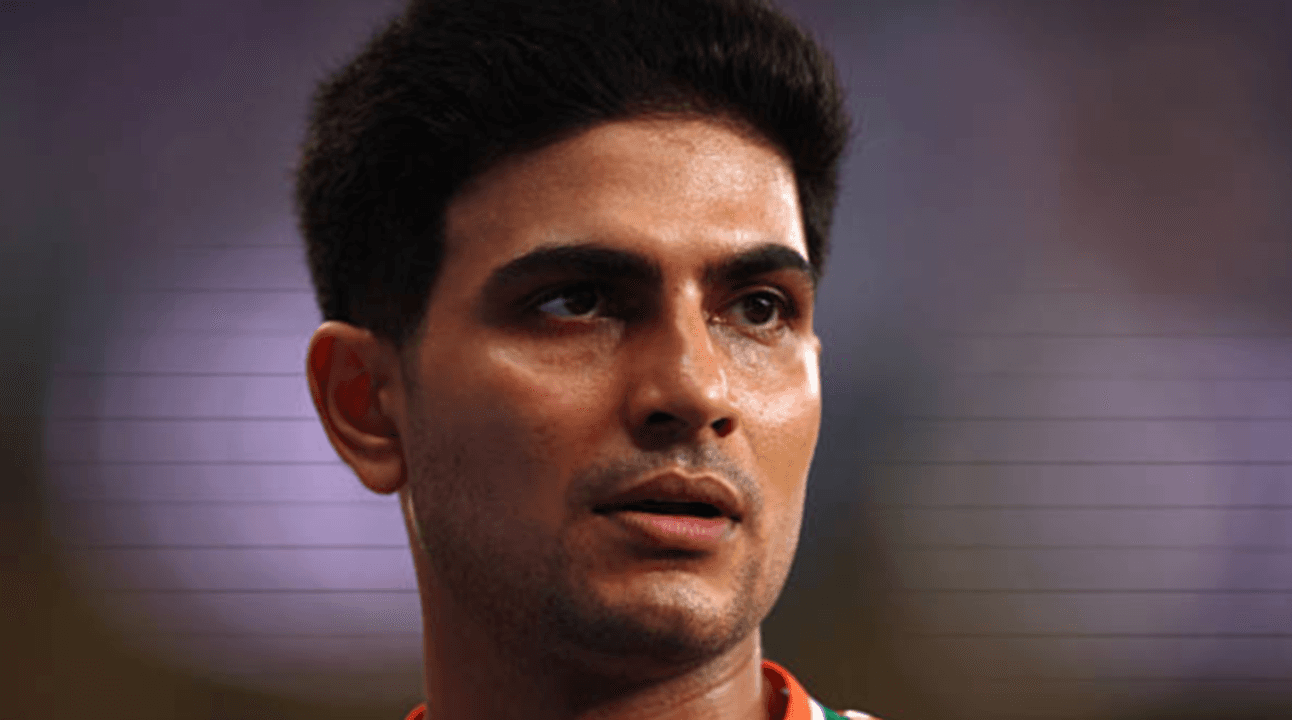
Shubman Gill (Image Source: Getty)
Shubman Gill’s return as vice captain forces India to rethink Sanju Samson’s batting position
Dherandra Bisht
Modified 11 December 2025 at 08:26 PM IST -3 min read
India’s T20I team is preparing for a crucial five-match series against South Africa in Cuttack. The comeback of Shubman Gill as vice-captain and Hardik Pandya has infused new energy into the squad, but it has also ignited heated debates about the batting lineup.
Sanju Samson is at the center of this conversation, as his role as a flexible middle-order batter is now being closely examined. With Gill back in the opener’s position, there’s a need to strategically reassess Samson’s role to ensure the team is balanced ahead of the upcoming global tournaments.
Why India needs to rethink Sanju Samson’s role
Sanju Samson made a splash in the T20I arena as an exciting opener with Abhishek Sharma last season, providing steady starts. But with Gill stepping up as vice-captain and coming back into the mix, the lineup has changed, moving Samson to the middle order.
This isn’t really a demotion in the usual way; it’s more of a strategic move to fit Gill’s performance and leadership. Now, the opener spots are secured by Gill and Abhishek Sharma, while positions 3 to 6 are up for grabs for finishers and speedsters.
🚨 Shubman Gill set to return as Vice Captain In T20 series against SA 🚨#TeamIndia #INDvSA pic.twitter.com/MMClA6RCmU
— Tanisha 🇮🇳 (@Tanisha_haze) December 3, 2025
The reconsideration comes from three main reasons. First off, Gill’s condition before his injury: He was in a strong position in the lineup following the Sri Lanka T20Is, where his stability at the top was crucial.
Secondly, the flexibility of the middle order: With Suryakumar batting at No. 4 and having players like Rinku Singh and Shivam Dube, India requires adaptable batters who can handle different pitches in South Africa.
Lastly, the wicketkeeping responsibilities: Samson is sharing the gloves with Jitesh Sharma, which adds extra pressure to excel both with the bat and behind the stumps.
Suryakumar Yadav spoke about this directly before the Cuttack opener, telling reporters, “Sanju did exceptionally well as an opener, but Shubman was ahead in the pecking order after the Sri Lanka series. He keeps that spot. Sanju gives us the flexibility to bat anywhere between No. 3 and 6.”
This statement shows how dedicated the team is to having a solid structure, all while appreciating Samson’s flexibility. The captain sees it as a “good headache,” which shows the depth that actually makes the team stronger instead of weaker.
Sanju Samson’s flexibility from No 3 to No 6 becomes a key part of India’s T20I strategy
Suryakumar Yadav has openly discussed the dynamic between Gill and Samson, highlighting the importance of versatility for the team. During a press interaction before the series, in Cuttack, he shared his thoughts with the media, “Sanju, when he came into the circuit, he batted higher up the order. Now, the thing is, other than the openers, everyone has to be flexible. He did really well when he opened the innings, but Shubman had played before him in the Sri Lanka series, so he deserves to take that spot.”
Expanding on Samson’s utility, Yadav added, “But we gave Sanju opportunities. He was ready to bat at any number, which is actually good to see a player being flexible to bat anywhere from No. 3 to 6.”
He later added, “That’s one thing I have told all the batters that other than openers, everyone has to be very flexible. Both [Samson and Jitesh] are in the scheme of things. It’s always good to have lovely players like both of them. One can open, one can bat lower down the order. In fact, both can do all the roles. It’s an asset to the team and a good headache to have.”
Yadav’s strategy fits right in with India’s T20 mindset: having depth creates competition, and that competition enhances performance.
With Gill leading the charge, Samson’s ability to play multiple roles as an opener when necessary, a finisher by nature makes him a tactical surprise.

Dherandra is a College Football writer at Sports League Season. An athlete-turned-writer, he brings on-field perspective to his coverage, highlighting the energy, rivalries, and culture that define campus football. His reporting emphasizes quick-turn updates and nuanced storytelling, connecting directly with engaged fans. Dherandra believes the vibrant atmosphere at college football games fosters community and is central to the sport’s growth in America.
View all articles by Dherandra BishtShare this article